

There is no one-size-fits-all answer when it comes to choosing your first investment property. The right property depends on your financial goals, available capital, risk tolerance, and how involved you want to be in day-to-day management.
For beginner investors, the priority should be low risk, stable demand, and manageable complexity. The goal is to build confidence, generate consistent income, and create a strong foundation for future investments.
Working with experienced professionals, such as a local property manager, can also help you identify the right property type, estimate rental income, and understand ongoing expenses before making a decision.
Key Factors to Consider Before Choosing a Property
Before selecting a property type, evaluate your situation carefully. Your first investment should align with what you can realistically manage.
Important considerations include:
- Budget and financing options
- Local rental demand and tenant preferences
- Time available for property management
- Risk tolerance and long-term investment goals
- Expected maintenance and operational costs
Best Property Types for Beginner Investors
1. Single-Family Homes
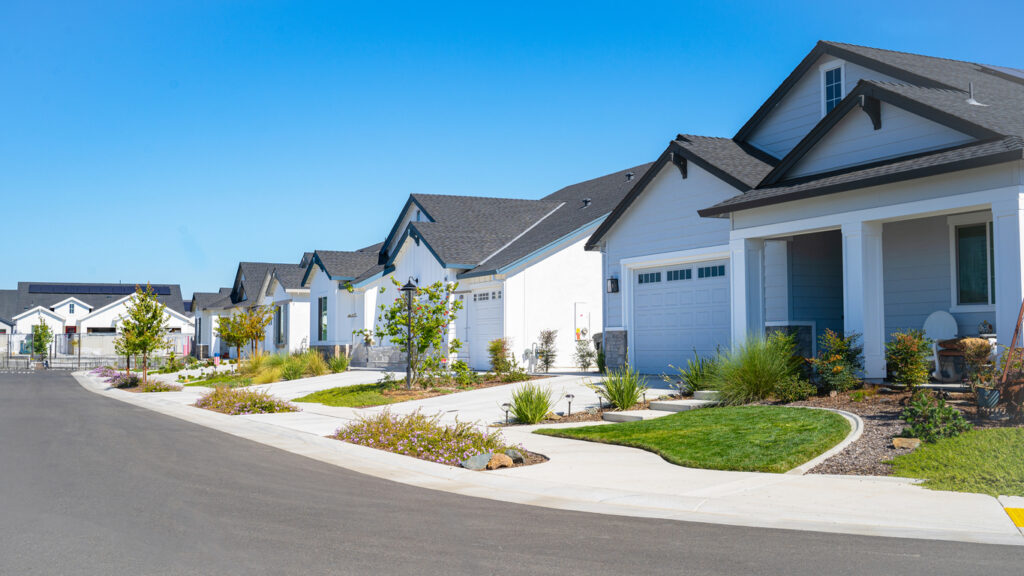
Single-family homes are often considered the most accessible starting point for new investors. They are easier to manage, widely available, and consistently in demand across most markets.
These properties typically appeal to families, young professionals, and long-term tenants, making them a stable entry into rental investing.
Why they work well for beginners:
- Strong, consistent rental demand
- Easier financing with lower perceived risk
- Simpler maintenance and tenant management
- Good resale value and long-term flexibility
2. Turnkey Rental Properties
Turnkey properties are fully renovated homes that are ready to rent immediately after purchase. They are ideal for investors who want a more hands-off experience.
In many cases, turnkey providers also assist with tenant placement and property management, reducing the operational burden for new investors.
| Feature | Benefit for Beginners |
|---|---|
| Move-in ready | Immediate rental income |
| Renovated condition | Lower upfront maintenance |
| Optional management | Less hands-on involvement |
| Predictable costs | Easier financial planning |
3. HUD Homes (Foreclosed Properties)
HUD homes are properties acquired by the government after foreclosure on FHA loans and are often sold below market value.
While they can offer strong upside potential, they may also require repairs or come with financing challenges.
Key considerations:
- Lower purchase price compared to market value
- Potential for higher returns with improvements
- May require cash or specialized financing
- Higher risk due to property condition

4. REITs (Real Estate Investment Trusts)
For beginners who want exposure to real estate without direct ownership, REITs offer a more passive investment option.
Instead of managing properties, you invest in companies that own and operate income-producing real estate, including commercial assets.
Advantages of REITs:
- No property management required
- Lower barrier to entry
- Diversified real estate exposure
- Liquidity compared to physical real estate
5. Small Multi-Family Properties (Duplexes)
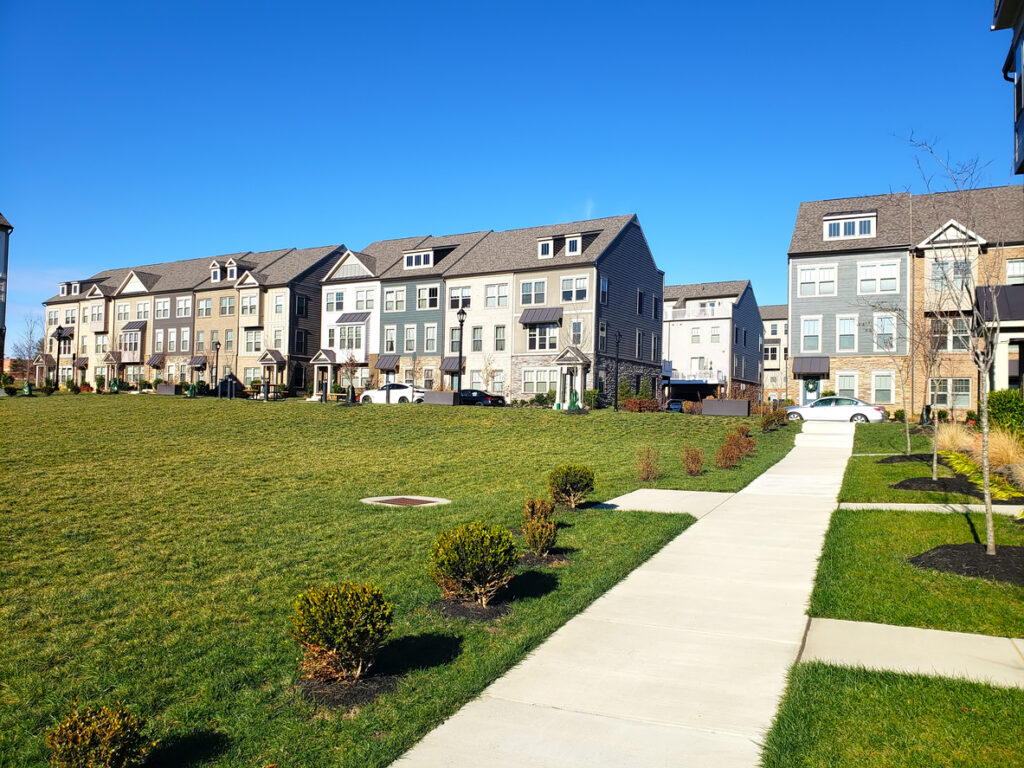
A duplex can be a strong option for beginners looking to increase rental income while maintaining manageable complexity.
Many investors choose to live in one unit while renting out the other, which can reduce housing costs and improve financing options.
Why duplexes are beginner-friendly:
- Two income streams from one property
- Potential for lower down payments if owner-occupied
- Easier to manage than larger multi-family properties
- Opportunity to scale rental income gradually
Property Comparison Overview
| Property Type | Risk Level | Management Difficulty | Income Potential | Best For |
|---|---|---|---|---|
| Single-Family | Low | Low | Moderate | First-time investors |
| Turnkey | Low | Low | Moderate | Hands-off investors |
| HUD Homes | Moderate | Moderate | High | Value-focused investors |
| REITs | Low | None | Moderate | Passive investors |
| Duplex | Moderate | Moderate | High | Investors seeking growth |
Start Simple and Scale Strategically
For most beginners, the best approach is to start with a property that is easy to manage and located in a market with consistent rental demand. Avoid overcomplicating your first investment. Focus on learning the fundamentals, building cash flow, and gaining experience.
As you become more comfortable, you can expand into more complex or higher-yield opportunities.
Work with Property Management Professionals to Reduce Risk
Partnering with experienced professionals can help you avoid common mistakes and make more informed decisions.
Real Property Management Affiliates supports property owners with market analysis, tenant placement, maintenance coordination, and full-service property management designed to protect your investment and improve long-term performance.
Frequently Asked Questions
What is the safest type of property for a beginner investor?
Single-family homes are generally considered the safest option due to their strong demand, easier financing, and simpler management requirements.
Are turnkey properties worth it for beginners?
Yes, turnkey properties can be a good option for beginners who want immediate rental income and minimal renovation work, especially if they prefer a more hands-off approach.
Should beginners invest in multi-family properties?
Beginners can start with small multi-family properties like duplexes. Larger multi-family investments typically require more experience and capital.
Is it better to invest in physical property or REITs?
It depends on your goals. Physical property offers more control and potential appreciation, while REITs provide a passive, lower-maintenance way to invest in real estate.
This content is provided for general informational and educational purposes only and does not constitute financial, legal, tax, or investment advice. Readers should consult with licensed professionals regarding their specific circumstances.
We are pledged to the letter and spirit of U.S. policy for the achievement of equal housing opportunity throughout the Nation. See Equal Housing Opportunity Statement for more information.
